Culture

When you set foot in the Bijagós, you are not simply viewing scenery—you are entering an ancient, living cultural landscape. The Bijagó people have maintained matrilineal clan stewardship, animist cosmology, and sovereign ecological governance over their islands for millennia.

Where women safeguard ancestral land and spiritual authority

Matrilineal Wisdom & Clan Lineage

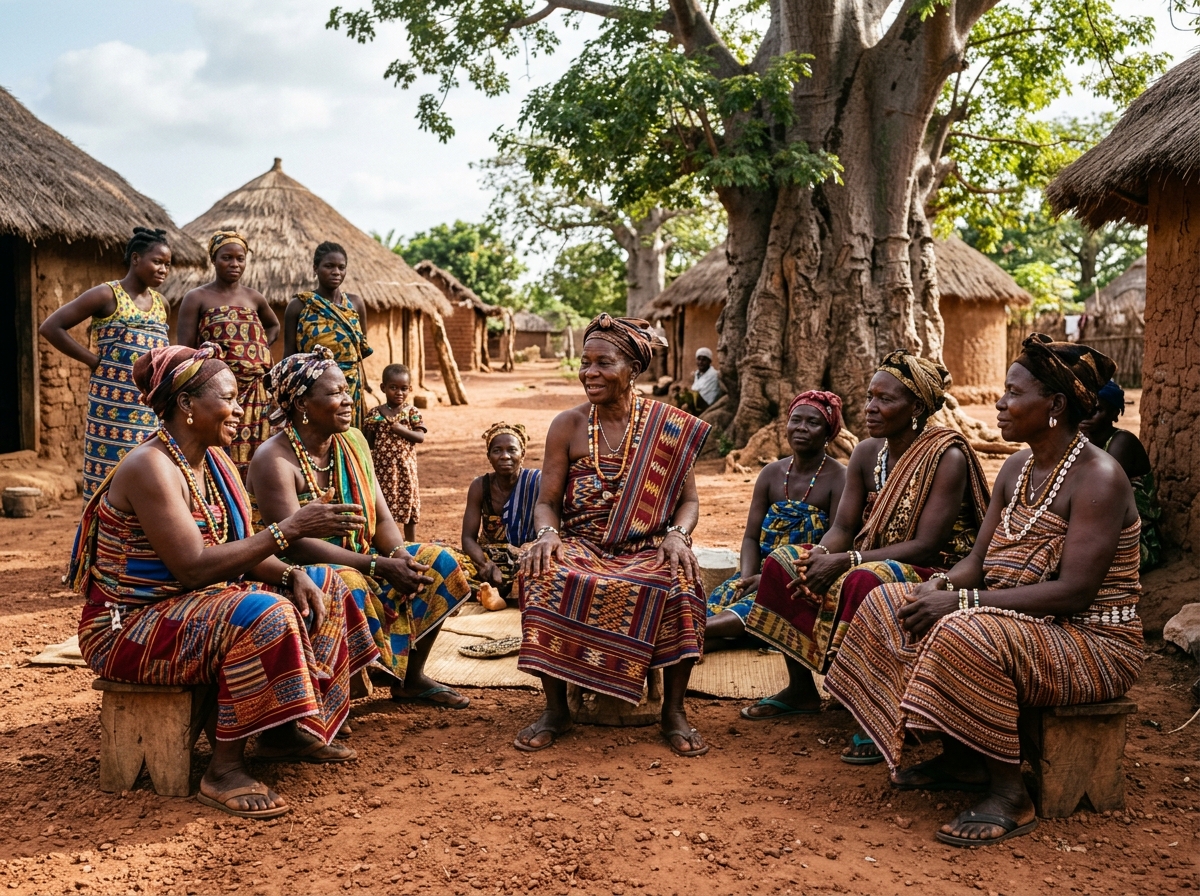
On islands like Canhabaque and Bubaque, maternal clans retain custody of community agricultural fields, palm groves, and ancestral homes. Female priestesses (Balobeiras) serve as the vital intermediaries between the living and the spirit world, orchestrating communal councils with deep consensus.

Harmonious marine stewardship passed through generations

Tidal Artisanal Fishing & Dugout Pirogues

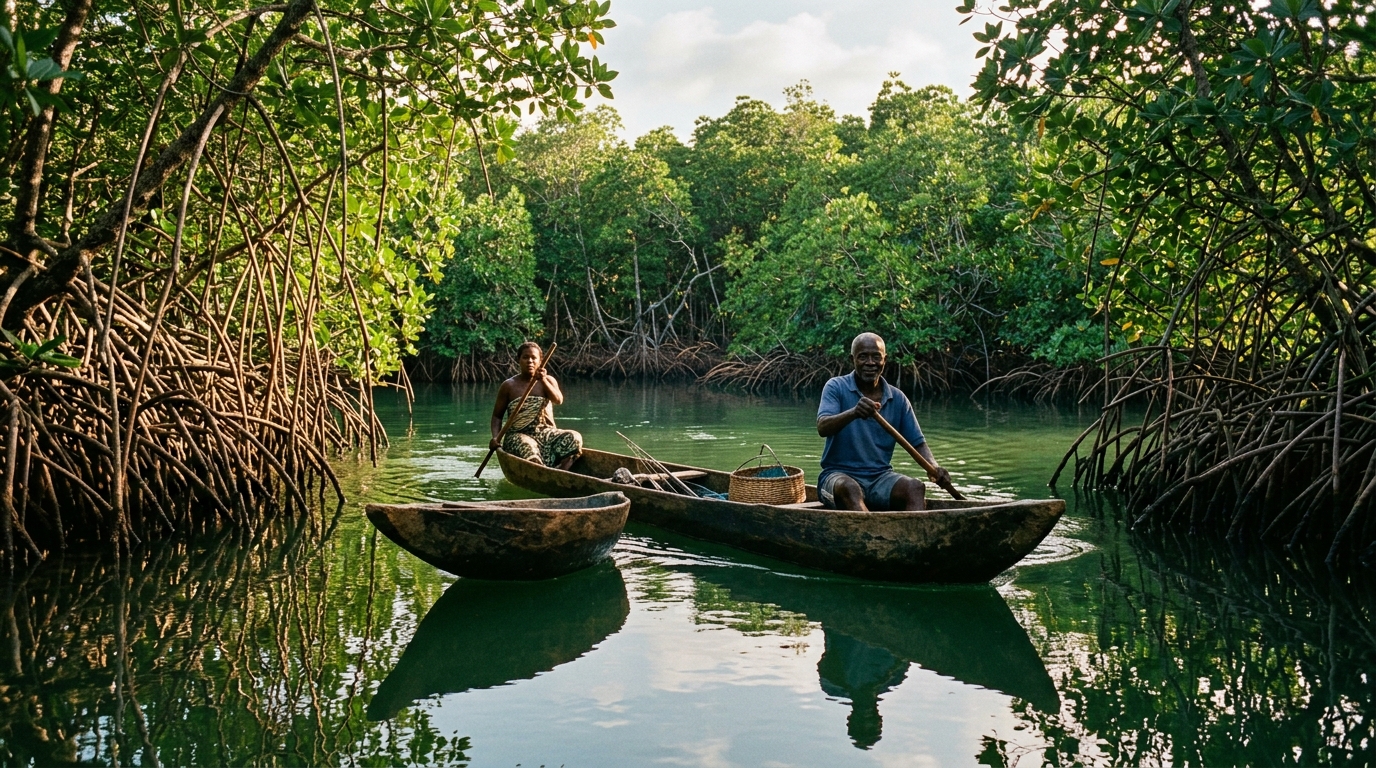
Traditional Bijagó fishermen navigate shifting tidal channels in hand-hewn dugout pirogues powered by canvas and pole. They construct traditional tidal fish fences from mangrove stakes that catch fish as the tide recedes, leaving juvenile fish free to escape and replenish stocks.

Hand-carved bull, sawfish, and shark masks imbued with spiritual power

Living Mask Rites & Sacred Animals

The Bijagó are world-renowned for their bold zoomorphic wooden art. Masks representing fierce forest bulls (Dugn’be), hammerhead sharks, and sawfish play active roles in the Fanado initiation rites. These are not museum artifacts—they are sacred living instruments of transformation.